Understanding common sewer pipe problems is essential for maintaining the integrity of entertainment venues. Issues such as blockages, leaks, and odors can disrupt operations and affect guest satisfaction. Identifying early signs of these problems enables venue managers to implement timely solutions. Proactive measures not only protect the venue’s image but also prevent costly repairs. However, recognizing when to take action can be a challenge. What specific signs should managers be aware of to safeguard their establishments?
Key Takeaways
- Recognizing signs of sewer issues prevents unpleasant odors that can deter guests and create a negative atmosphere.
- Addressing blockages proactively reduces wait times and enhances guest satisfaction during events.
- Regular inspections and maintenance prevent costly water damage that could disrupt operations and compromise venue aesthetics.
- Training staff to identify early warning signs allows for timely interventions, ensuring consistent restroom availability for patrons.
- Understanding common problems helps in selecting high-quality materials, reducing future repair needs and enhancing overall venue reliability.
Common Sewer Pipe Problems in Venues
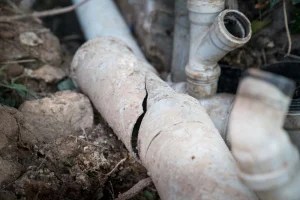
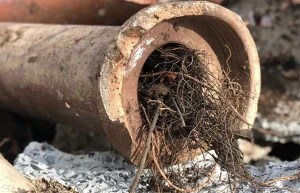
In entertainment venues, the integrity of sewer systems is vital for maintaining a seamless guest experience. Common sewer pipe problems can considerably disrupt operations and diminish customer satisfaction. Among these issues, blockages frequently arise from grease accumulation or foreign objects, leading to slow drainage or backups. Additionally, corrosion in older pipes can compromise their structural integrity, resulting in leaks that may damage surrounding infrastructure. Tree root intrusion is another prevalent problem, as roots can infiltrate pipes, causing further obstructions. Finally, misaligned pipes due to ground movement can create gaps that exacerbate these issues. Addressing these common sewer pipe issues proactively is essential for ensuring smooth operations and enhancing the overall experience for guests in entertainment venues.
Signs of Sewer Pipe Issues in Your Venue
How can one identify signs of sewer pipe issues in an entertainment venue? Several indicators signal potential problems. Unpleasant odors emanating from sinks or restrooms often suggest sewer gas leaks, while slow drainage can indicate blockages or pipe deterioration. Visible water stains on walls or ceilings may signify leaks, potentially leading to structural damage. Additionally, unexplained increases in water bills can point to hidden leaks within the plumbing system. Gurgling sounds from drains are often symptomatic of air trapped in the pipes due to obstructions. Recognizing these signs early can mitigate extensive repairs and safeguard the venue’s integrity. Awareness of these common sewer pipe problems is essential for maintaining a safe and inviting environment for guests.
Impact of Sewer Pipe Problems on Guest Experience
Sewer pipe problems can greatly detract from the overall guest experience in entertainment venues. Such issues can manifest in various disruptive ways, leading to dissatisfaction and potential reputational harm.
- Unpleasant odors can create an unwelcoming atmosphere.
- Frequent plumbing issues may result in long wait times.
- Water damage can compromise venue aesthetics and safety.
- Inconsistent restroom availability can frustrate patrons.
- Increased maintenance disruptions can detract from scheduled events.
These factors not only affect guest comfort but also diminish their willingness to return. Addressing common sewer pipe problems is essential for maintaining a positive and enjoyable environment, ensuring that guests feel valued and satisfied during their visits.
Preventing Common Sewer Pipe Problems
While many entertainment venues may overlook the importance of proactive maintenance, preventing common sewer pipe problems is essential for operational integrity. Regular inspections should be scheduled to identify potential issues such as clogs, leaks, and corrosion before they escalate. Implementing routine cleaning practices, including hydro-jetting, can greatly reduce the risk of blockages caused by grease and debris buildup. Additionally, utilizing high-quality materials during initial installations guarantees long-term durability. Establishing a thorough monitoring system can also aid in detecting early signs of deterioration. Training staff to recognize warning signs, such as unusual odors or slow drainage, fosters a culture of vigilance. By prioritizing these preventive measures, venues can safeguard their facilities, enhance guest experiences, and maintain a reliable operational framework.
When Should You Call a Pro for Sewer Pipe Help?
Proactive maintenance can greatly mitigate the risk of common sewer pipe problems, but there are instances when professional intervention becomes necessary. Recognizing these situations can prevent further complications and protect entertainment venues from costly repairs.
Consider calling a professional when:
- Persistent sewage odors are detected.
- Slow drainage occurs in multiple fixtures simultaneously.
- Unexplained water pooling appears in the vicinity.
- Gurgling sounds emanate from drains or toilets.
- Frequent clogs require repeated manual intervention.
Addressing these issues promptly guarantees the integrity of the sewer system and the overall functionality of the venue. Understanding when to seek professional help not only preserves infrastructure but also enhances the experience for patrons, emphasizing the importance of maintaining an enjoyable environment.
Frequently Asked Questions
How Do Tree Roots Affect Sewer Pipe Integrity?
Tree roots can penetrate sewer pipes, causing blockages and structural damage. This intrusion compromises pipe integrity, leading to leaks and potential system failures, ultimately requiring costly repairs and disrupting service in affected areas.
What Materials Are Common in Sewer Pipe Construction?
Common materials in sewer pipe construction include PVC, cast iron, clay, and concrete. Each material offers distinct advantages regarding durability, cost-effectiveness, and resistance to corrosion, impacting the overall efficiency of sewer systems considerably.
Can Weather Conditions Worsen Sewer Pipe Problems?
Yes, weather conditions can exacerbate common sewer pipe problems. Extreme temperatures, heavy rainfall, and freeze-thaw cycles may lead to increased pressure, cracking, and shifting, ultimately compromising the integrity and functionality of sewer systems.
Are There DIY Methods to Test Sewer Pipe Health?
DIY methods to test sewer pipe health include visual inspections, flow tests, and using plumbing cameras. These techniques help identify common sewer pipe problems, enabling proactive maintenance and reducing the risk of costly repairs.
How Do Regulations Impact Sewer Pipe Maintenance in Venues?
Regulations mandate regular inspections and maintenance of sewer systems, ensuring compliance with health and safety standards. This oversight minimizes risks associated with common sewer pipe problems, ultimately safeguarding both patrons and the venue’s operational integrity.
Conclusion
In conclusion, understanding common sewer pipe problems is essential for entertainment venues to maintain operational integrity and guest satisfaction. By proactively identifying signs of issues and implementing regular maintenance, venue managers can mitigate risks and avoid costly disruptions. This proactive approach not only enhances the overall guest experience but also protects the venue’s reputation and profitability. Timely intervention and professional assistance will further guarantee the longevity and functionality of sewer systems, safeguarding the venue’s success.
You May Also Like To Read: